
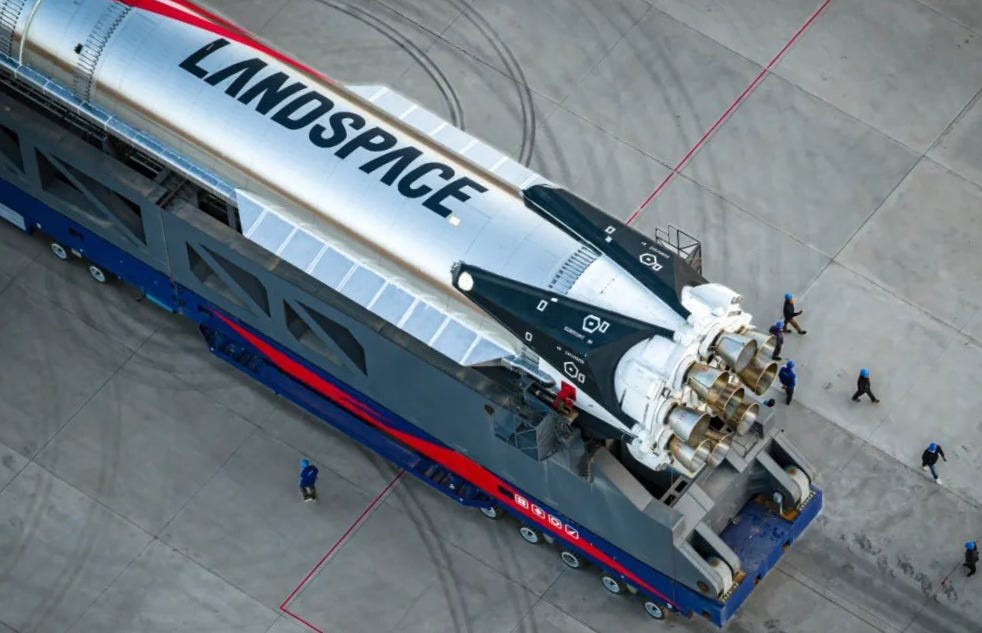
Beijing, China – Chinese commercial launch provider Landspace has confirmed that its ambitious attempt to vertically land the first stage of the Zhuque-3 methane-liquid oxygen rocket resulted in a catastrophic failure, despite achieving a successful orbital insertion.
The mission began favorably, with the first stage performing its duties and delivering the payload successfully into orbit, marking a significant milestone for the firm’s launch capability. However, the subsequent attempt to recover the booster via a powered vertical descent ended abruptly. The stage suffered a “catastrophic failure” and reportedly exploded upon contact with the landing zone.
This incident underscores the formidable challenges inherent in mastering reusable rocketry technology, particularly the high-precision maneuvers required for powered vertical landing. The Zhuque-3 is a key component of China’s aggressive strategy to develop a domestically produced, reusable heavy-lift launch vehicle designed to compete directly with SpaceX’s Falcon 9 and significantly reduce launch costs.
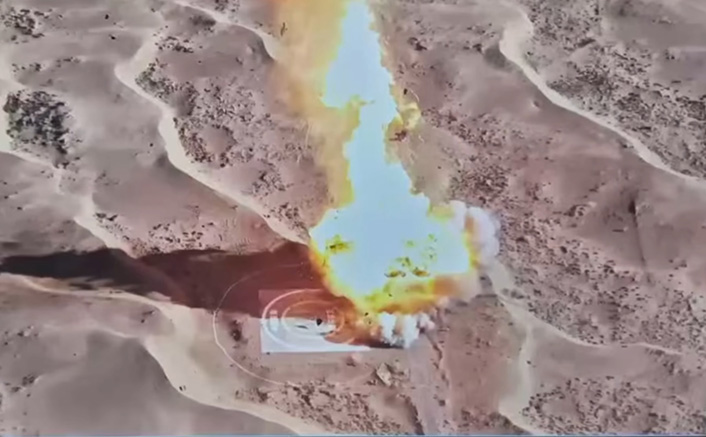
While the orbital success validates Landspace’s engine and structural design for primary launch operations, the spectacular failure during the recovery phase demonstrates that the complex, high-reliability landing systems needed for reusability are still under development.
The rocket must use its grid fins and Reaction Control System (RCS) to maintain the correct orientation and steer itself precisely back to the downrange landing pad. The GNC system needs to calculate the complex trajectory for re-entry and power-landing with extreme accuracy to account for atmospheric effects and wind. The booster reportedly suffered a “breakup in the air” late in the sequence, which could indicate a loss of control or a structural failure due to unpredicted aerodynamic stress.
the successful orbital insertion validated the vehicle’s ability to fly up, but the catastrophic landing failure demonstrates the complexity of teaching a rocket to fly back and stick the landing. Landspace has collected crucial flight data that will be essential for refining its GNC software and engine restart procedures for the next attempt.
Landspace officials have begun a full investigation into the root cause of the landing failure.


