
February 16, 2026 — Rakuten Mobile, Inc. and the University of Tokyo have been selected by the Japan Aerospace Exploration Agency (JAXA) to lead a major research and development project under the Space Strategy Fund.
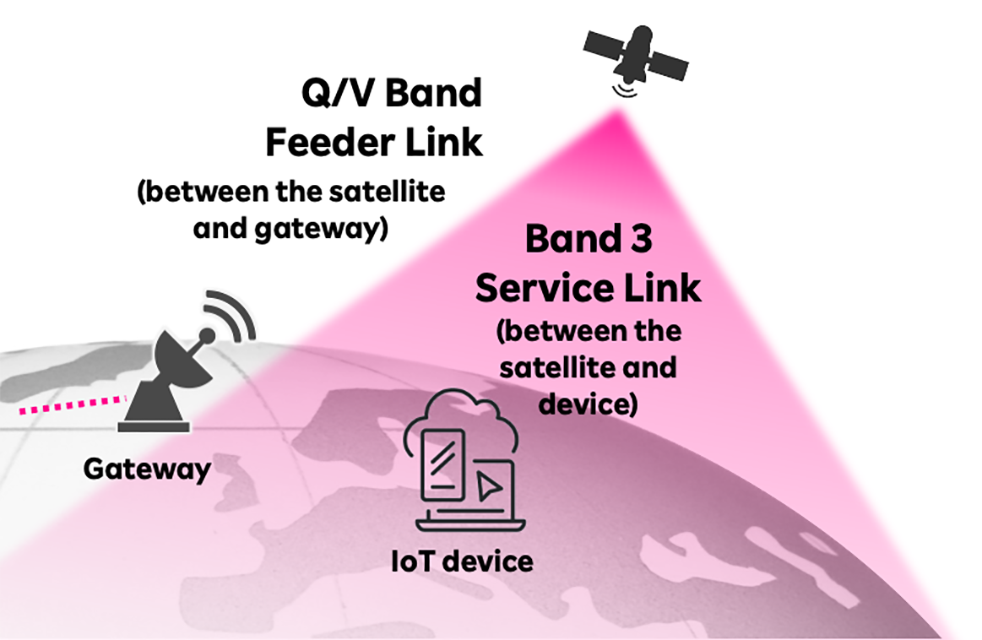
The initiative, titled “Satellite and Terrestrial Network Integration for Seamless Frequency Sharing,” has been granted eligibility for up to 11 billion yen (approximately $71.9 million) in government funding to pioneer AI-enhanced direct-to-mobile satellite communications.
Scaling Japan’s Space Strategy Fund
The selection marks a significant expansion of JAXA’s Space Strategy Fund, a multi-billion dollar government initiative designed to bolster domestic space industry competitiveness. The project build on a long-term collaboration between Rakuten and the University of Tokyo’s Graduate School of Engineering, which began with joint R&D into ultra-coverage IoT in November 2021.
Rakuten’s selection follows its strategic investments in AST SpaceMobile, where it serves as a founding partner and lead investor for the world’s first space-based cellular broadband network. This new JAXA-backed project will focus on the technical challenges of integrating these orbital platforms with existing terrestrial 5G infrastructure.
Technical Parameters: AI and Dynamic Frequency Sharing
The R&D program, scheduled to run from March 2026 through March 2031, will address the critical bottleneck of spectrum congestion. Key technical objectives include:
- Dynamic Frequency Sharing: Developing protocols that allow satellite and ground-based towers to utilize the same frequency bands without mutual interference.
- AI-Enhanced Mitigation: Implementing machine learning algorithms to manage real-time interference, Doppler effect compensation, and traffic load balancing.
- Seamless Handover: Ensuring unmodified smartphones can transition between terrestrial cells and Low Earth Orbit (LEO) satellites without dropped calls or data sessions.
- Disaster Resilience: Optimizing network architecture to provide emergency “coverage from above” during terrestrial infrastructure failures.
Executive Perspective
“Mobile connectivity is a foundation for our everyday life. This partnership with JAXA and the University of Tokyo allows us to push the boundaries of our cloud-native network architecture. Our goal is to ensure 100% geographical coverage for our customers, ensuring they stay connected even in the most remote areas or during natural disasters.” — Hiroshi Mikitani, Chairman and CEO of Rakuten Group
Timeline to Commercial Integration
The project is divided into several stages, with the first “stage-gate” evaluation expected within the next fiscal year. The initial research phase will utilize Rakuten Mobile’s Open Innovation Lab, established in 2022, to verify virtualized radio network (vRAN) technology in satellite contexts.
Following the completion of the R&D cycle in 2031, Rakuten intends to integrate these frequency-sharing protocols into its commercial network, complementing the planned 2026 launch of its broader mobile satellite service.