
SAN FRANCISCO, California – As the Earth Observation (EO) market enters a hyper-operational phase in 2026, the reliance on massive, multibillion-dollar satellites is rapidly giving way to agile “tiny” satellite constellations.
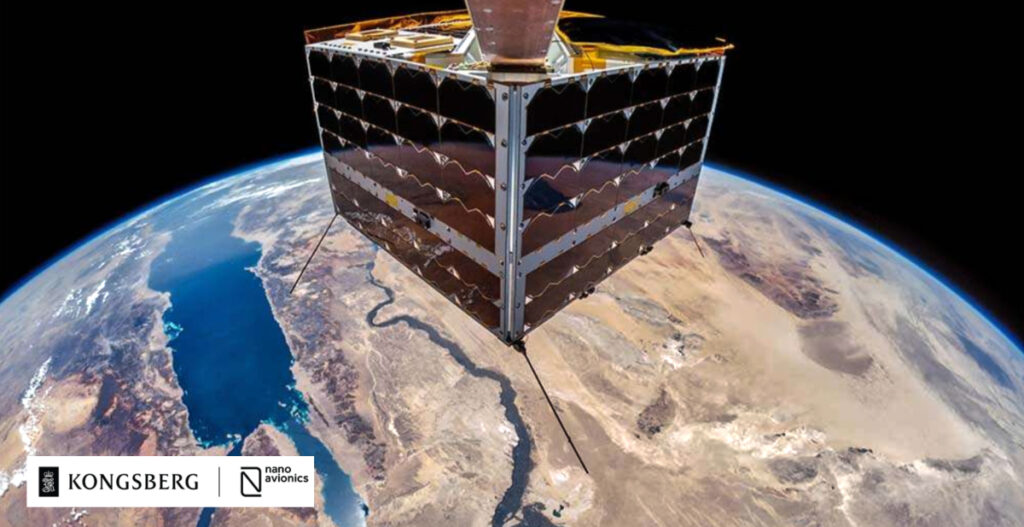
A new industry report released on Feb. 12, 2026, highlights how 3U and 6U CubeSats have become the primary drivers for real-time tracking of global weather patterns, agricultural yields, and maritime shipping logistics.
The shift is categorized not just by the size of the hardware, but by the transition to Orbital Edge AI, where satellites move from capturing static “images” to delivering real-time “answers” directly to end-users.
Context: The Proliferation of the Nano-Satellite
The 2026 EO landscape is defined by “high-revisit” capabilities—the ability to photograph or sense the same spot on Earth multiple times per day. While legacy systems provided weekly updates, current constellations from providers like Planet and Spire Global have achieved sub-daily revisit rates, a requirement for modern precision agriculture and fast-moving disaster response.
This proliferation has been enabled by the radical reduction in launch costs and the standardization of the CubeSat form factor, allowing operators to replenish entire constellations in months rather than years.
Small Form, Big Data
Modern “tiny” satellites in the 2026 manifest typically fall into three primary utility categories:
- Weather (Radio Occultation): 3U CubeSats measuring how GPS signals bend through the atmosphere to calculate precise temperature, pressure, and humidity profiles, outperforming traditional weather balloons.
- Agriculture (Multispectral): Satellites equipped with “Red Edge” and Near-Infrared (NIR) sensors to detect crop stress, hydration levels, and nutrient deficiencies before they are visible to the human eye.
- Maritime (AIS Tracking): Miniature receivers that capture Automatic Identification System (AIS) signals from ships, enabling the tracking of global trade flows and the detection of “dark fleet” vessels attempting to bypass international sanctions.
The Efficiency of the “Nanosat”
The economic rationale for the 2026 shift is rooted in risk mitigation and data freshness.
- Resilience: If one satellite in a 100-unit constellation fails, the network loses 1% capacity. If a large flagship satellite fails, the mission is over.
- Low Latency: By processing data on-board using space-hardened GPUs, these satellites can transmit a “vessel detected” alert in seconds, rather than downloading a 2GB image file that requires minutes of processing on the ground.
“The value is no longer in the pixel; it’s in the pattern,” noted an industry analyst cited in the report. “A 10-centimeter resolution image is useless if it’s six hours old. A 3-meter image that arrives in three minutes changes the course of a tactical or commercial decision.”
The Integrated Earth Digital Twin
Looking toward the latter half of 2026, the industry is moving toward a “Digital Twin” of the Earth, where data from thousands of small satellites is fused into a single, live-updating model. This will enable predictive analytics for global supply chains, allowing logistics companies to reroute ships or adjust harvest schedules based on satellite-detected anomalies days before they manifest on the ground.
The next hurdle for these “tiny” operators will be Spectrum Sovereignty, as the sheer volume of data being beamed down from massive LEO constellations begins to crowd traditional downlink frequencies, necessitating a faster shift to optical (laser) communications for even the smallest platforms.