
Chris Forrester — India has increased its space-related budget for the upcoming 2026-2027 period to $1.64 billion which goes to the nation’s Dept. of Space. The total is ₹13,705.63 crore Rupees expressed in local terms.
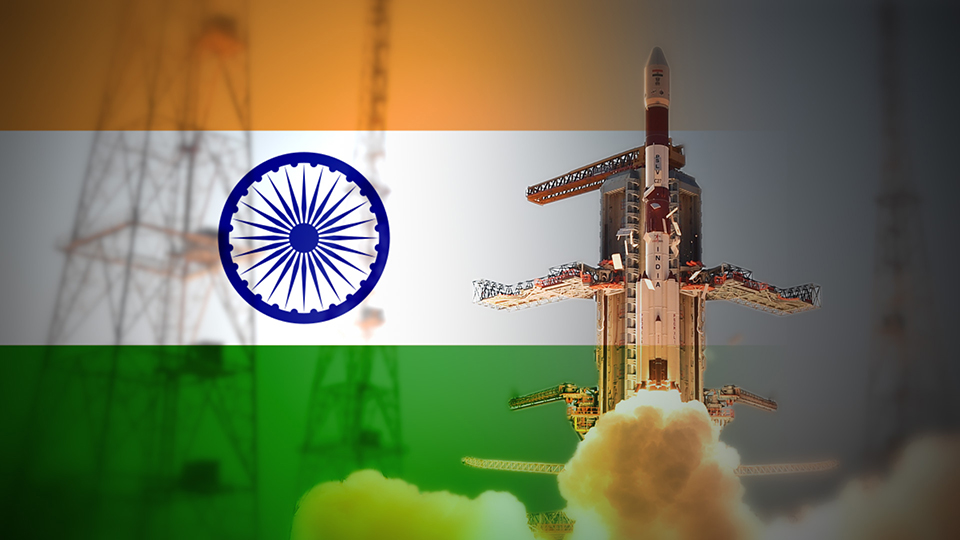
While the 2.1% increase over the previous year’s budget estimate is modest, industry leaders highlighted several “indirect triggers” designed to accelerate the domestic private space ecosystem as India moves toward hardware realization for its most ambitious missions.
The move opens up opportunities for greater private sector involvement.
The new budget signals a transition from preparatory planning to the actual build-phase of hardware. Of the total outlay, ₹6,375.92 crore ($750 million) is dedicated to capital expenditure—a significant jump of over ₹1,000 crore ($110m) compared to the revised estimates of the previous fiscal year.
IN-SPACe gets fresh support for private sector participation which is routed through schemes under IN-SPACe, facilitating deeper integration of startups in launch vehicle and satellite projects. This includes cash for India’s Human Spaceflight Centre.
The structure of spending points to three priorities: readiness for human spaceflight, expansion of earth observation and expansion of Earth observation services for climate and security.
NewSpace India Limited (NSIL) receives token direct support, NSIL’s internal and extra-budgetary resources (IEBR) are projected to rise to ₹1,403 crore (up from ₹1,030 crore). This reflects the government’s expectation that the commercial arm will drive revenue through private sector production and technology transfers.
Analysis from Global Data says the new budget is expected to create significant opportunities for private-sector companies in the domestic defense manufacturing space and much will go to domestic procurement.
GlobalData’s latest report examines the overall trend out of Inia (“India Defense Market Size and Trends, Budget Allocation, Regulations, Key Acquisitions, Competitive Landscape and Forecast, 2025–30,”) estimates the country’s cumulative defense spending to reach $543.1 billion from 2026 to 2030. However, given the rise in spending under the FY27 budget, GlobalData expects this cumulative defense spending to even grow further by the end of 2031.
Abhijit Apsingikar, Aerospace & Defense Analyst at GlobalData, comments: “Over the past decade, the Indian government has been trying to overhaul its outdated defense procurement process to encourage private-sector participation and leverage their capabilities to streamline procurement. By reserving a significant share of defense capital expenditure for purchases from domestic defense firms, the government has reaffirmed its support for the local industry.”
Apsingikar adds: “Despite increased private-sector involvement in defense production, participation in R&D has remained extremely limited. Historically, the private sector has been cautious about expanding its presence in defense and dual-use products. This is partly due to uncertainty around return on investment, driven by the unpredictable and ad-hoc nature of follow-on orders, an issue compounded by the Indian MoD’s preference for negotiating component development contracts on a No-Cost-No-Commitment (NCNC) basis. However, as the Indian MoD actively considers scrapping the NCNC procedure, it is expected to ease private-sector concerns and encourage independent R&D.”