
On January 28, 2026, U.S. Space Command (USSPACECOM) announced a significant expansion of its defense planning, inviting commercial space partners to participate in a series of classified wargames focused on nuclear threats in orbit.
The move reflects growing military concern over the vulnerability of private-sector constellations to Weapons of Mass Destruction (WMD) and marks a shift toward a unified, “hybrid” national security space architecture.
Escalating Threats and the March 2026 Tabletop
The Commercial and Technology Integration Branch (J8) will launch a quarterly series of Wargame Tabletop Exercises (TTX) starting March 23, 2026, in Colorado Springs. These exercises will specifically model scenarios involving adversarial use of nuclear weapons in space—a direct violation of the 1967 Outer Space Treaty—and the subsequent impact on commercial communications, imaging, and navigation services.
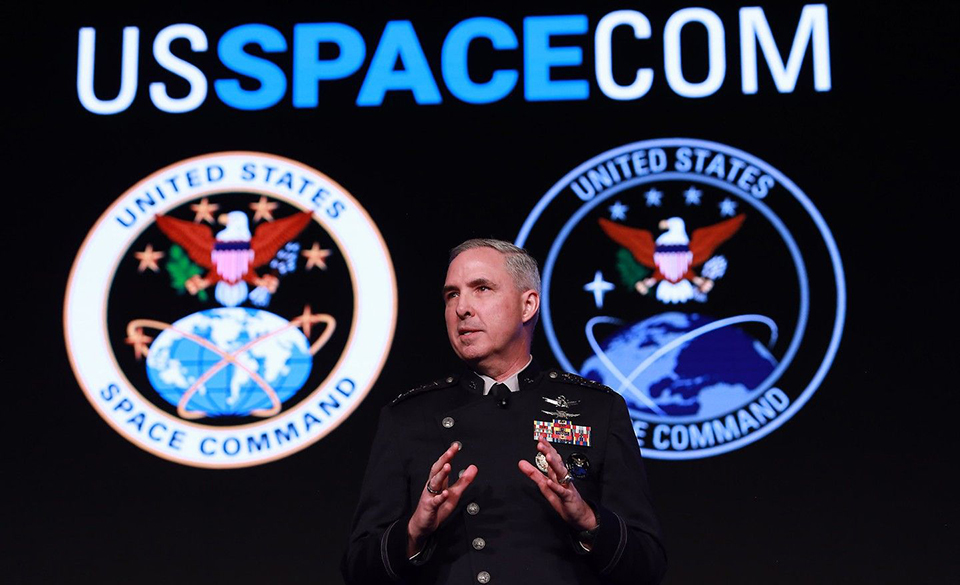
“The commercial sector is no longer just a vendor; they are a critical component of our warfighting capacity,” stated Gen. Stephen Whiting, Commander of U.S. Space Command, during a recent policy forum. “Integrating them into these classified discussions ensures that we aren’t just protecting military assets, but the entire national space enterprise“.
Rationale: The “Asymmetric Advantage” of CASR
The initiative is a central pillar of the Commercial Augmentation Space Reserve (CASR), which is transitioning to full-scale operations in 2026. By involving firms in wargames, the Space Force aims to address several critical gaps:
- Attribution and Intelligence: Leveraging commercial Space Domain Awareness (SDA) to detect and characterize hostile rendezvous and proximity operations (RPO).
- Resiliency Measures: Diversifying infrastructure to mitigate single points of failure in the event of an orbital WMD detonation.
- Activation Triggers: Defining the legal and financial “H clauses” in contracts that would trigger commercial surge capacity during a nuclear crisis.
Strategic Context: Deterrence and Treaty Compliance
The wargames arrive amid intensifying reports that Russia is developing on-orbit nuclear capabilities designed to disrupt the proliferated LEO architectures that the U.S. now relies upon for tactical superiority. By formalizing commercial integration, SPACECOM intends to strengthen Integrated Deterrence, making it clear to adversaries that a strike on commercial hubs is a strike on the U.S. national security apparatus.
Next Steps for Industry Participation
Commercial firms seeking to participate in the March 23 exercise must hold appropriate security clearances and coordinate through the USSPACECOM J811 Commercial Integration Branch. Future tabletop sessions are already scheduled for June and September 2026 to refine the “rules of engagement” for hybrid military-commercial operations in contested environments.