
High-resolution satellite imagery has become a prerequisite for modern geospatial analysis, yet resolution alone often fails to address the operational friction between raw data and actionable decisions.
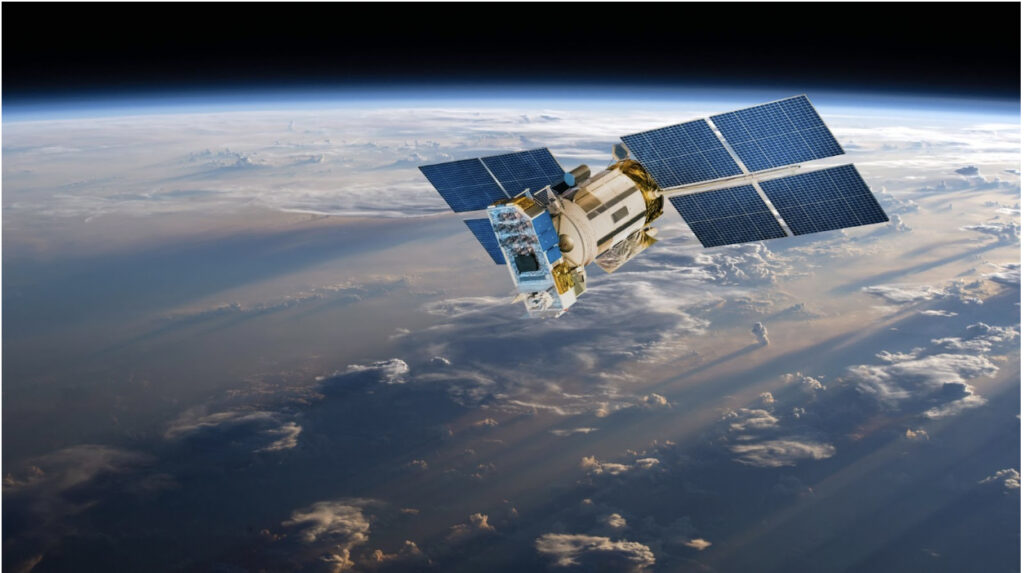
Addressing this gap, EOS Data Analytics (EOSDA) has detailed significant upgrades to its LandViewer platform, introducing new satellite tasking capabilities and expanding its imagery archive through 2025.
In a recent update regarding the platform’s development trajectory, EOSDA confirmed the integration of multiple high-resolution data sources and the deployment of on-demand tasking features designed to support agriculture, forestry, and infrastructure markets.
Expanded Archives and Tasking
The platform’s 2025 development cycle prioritized the diversification of imagery sources to reduce reliance on rigid proprietary constellations. Key technical updates include:
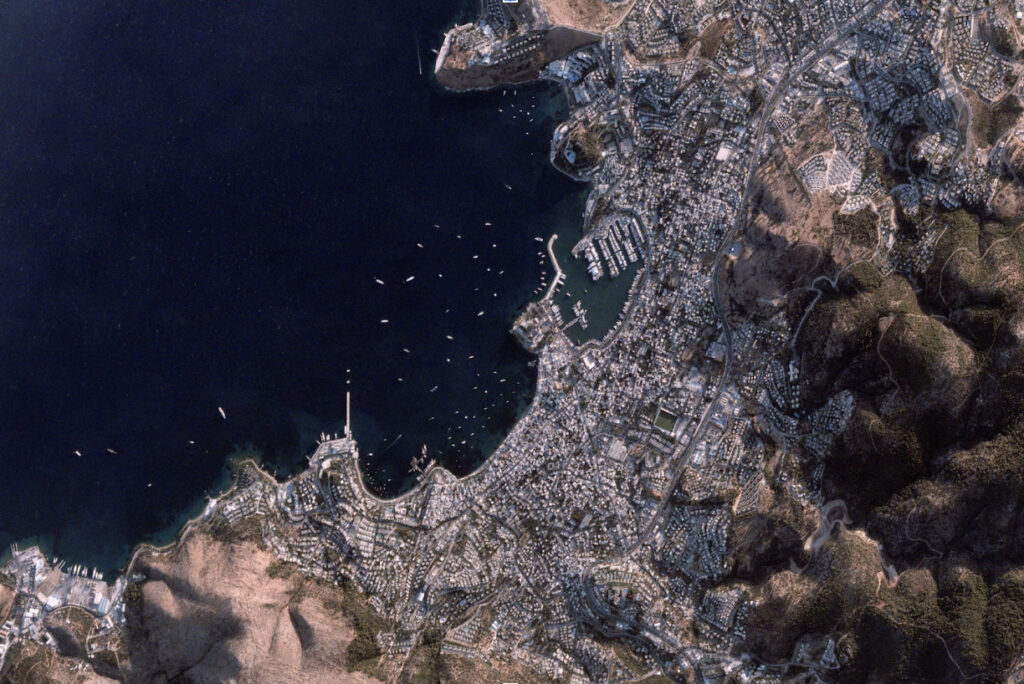
- New Commercial Integrations: The addition of BlackSky, SpaceWill, and Improsat to the platform’s archive. These integrations provide users with higher revisit frequencies and sharper detail for monitoring rapidly changing environments.
- Satellite Tasking: A shift from purely archive-based retrieval to active acquisition. Users can now request future image capture for specific coordinates and resolutions, enhancing predictability for project planning.
- Open Source Aggregation: Continued support for established free datasets, including Sentinel-1, Sentinel-2, Landsat, and CBERS, allowing users to layer commercial high-resolution data over broader historical contexts.
Reducing Analytical Friction
Viktoriia Troian, Head of Product at EOSDA LandViewer, emphasized that the platform’s architecture is designed to mitigate the “tool jumping” often required in geospatial workflows. Rather than separating imagery and analytics, LandViewer embeds processing tools directly into the viewing interface.
“For many users, high-resolution imagery is the first reason they come to the platform, but rarely the final one,” said Troian. “In agriculture, teams use detailed images to spot field-level issues… Over time, this grows into a need for broader context.”
The platform now supports immediate execution of indices, band combinations, change detection, and time-series analysis without requiring external software. Recent updates also streamlined search workflows, adding quick filters for cloud cover, sensor type, and acquisition dates to accelerate data discovery.
Future Outlook
Looking ahead to the remainder of 2026, EOSDA plans to further expand its multispectral satellite imagery portfolio. The company aims to increase the volume of available images to support long-term monitoring tasks that require consistent historical data. Additionally, the roadmap includes the integration of more open datasets and advanced analytical algorithms directly into the browser-based interface, maintaining a focus on usability for professionals with varying levels of technical expertise.