
On January 27, 2026, the National Institute for Space Research (INPE) of Brazil awarded SpaceLaunch a contract for the end-to-end launch services of the Amazonia-1B satellite. The mission is slated for a 2027 launch aboard Avio’s Vega-C rocket from Europe’s Spaceport in Kourou, French Guiana.
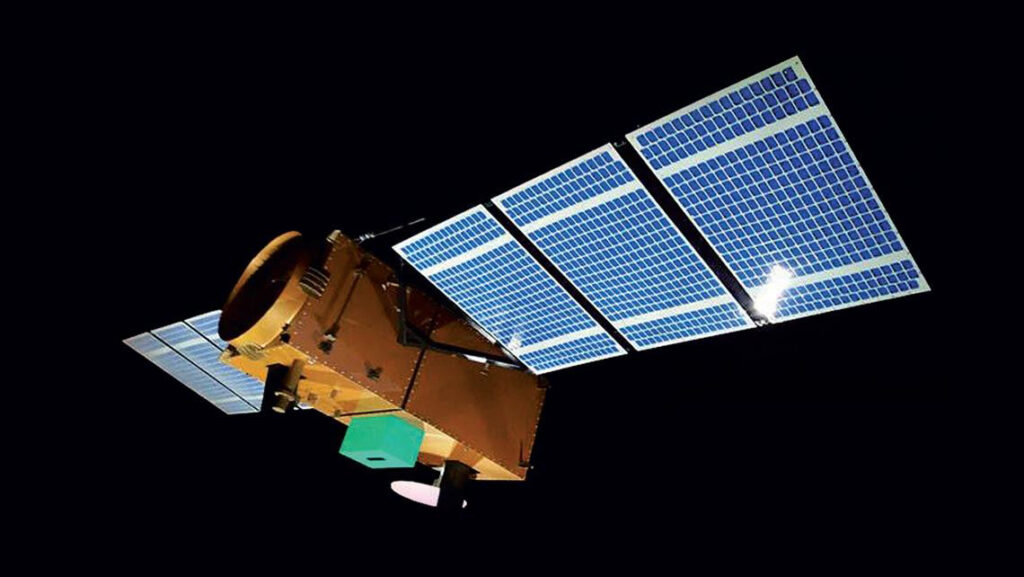
Monitoring Brazil’s Water Resources via AQUAE
Amazonia-1B is a critical component of Brazil’s national AQUAE program, which focuses on the strategic monitoring of the country’s vast water resources. The mission serves as the direct successor to Amazonia-1, which was successfully launched in February 2021 via an Indian PSLV.
“Throughout 2025, INPE, together with the Ministry of Science, Technology and Innovation (MCTI), the Brazilian Space Agency (AEB), and FINEP, worked extensively to secure this contract,” stated Antonio Miguel Vieira Monteiro, Director of INPE. “We evaluated four proposals based on technical merit and value, and we are satisfied to proceed with Vega-C and the support of SpaceLaunch”.
SpaceLaunch and Vega-C Integration
Under the new agreement, Austin-based SpaceLaunch will manage mission integration, coordination with the Italian launch vehicle prime Avio, and overall launch campaign management.
- Launch Vehicle: The Vega-C is a four-stage rocket capable of delivering approximately 2,200 kg to a 700 km polar orbit, offering significant performance upgrades over the original Vega.
- Satellite Specifications: Amazonia-1B is expected to have a mass of approximately 500-700 kg and will operate in a sun-synchronous orbit, carrying an Advanced Wide Field Imager (AWFI) for land and water monitoring.
“We are honored to support the Amazonia-1B mission,” said Marcy Mabry, CEO of SpaceLaunch. “Members of our team previously supported the first Amazonia-1 mission, and we look forward to working with INPE and Avio to ensure this next step in Brazil’s space autonomy is a success“.
Timeline to 2027 Launch
The contract follows a competitive international tender process and a strategic partnership announcement between SpaceLaunch and Avio in September 2025. With the budget secured by the Ministry of Science, Technology and Innovation (MCTI) and funding provided by FINEP, the mission team will now move into the technical integration phase ahead of the 2027 launch window.