Bipartisan Senate Bill Targets Regulatory Backlog in U.S. Satellite Sector
WASHINGTON, D.C. — On Wednesday, January 14, 2026, U.S. Senate Commerce Committee Chairman Ted Cruz (R-Texas) and Senator Peter Welch (D-Vermont) introduced the Satellite and Telecommunications Streamlining Act. The bipartisan legislation seeks to modernize the Federal Communications Commission (FCC) licensing framework to eliminate regulatory uncertainty and preserve U.S. leadership in the commercial space sector.
Addressing the Licensing Bottleneck
The bill responds to a dramatic increase in the volume of satellite applications submitted to the FCC, which has outpaced the agency’s legacy processing capabilities. Central to the legislation is the establishment of a one-year “shot clock” requiring the FCC to issue a final decision on license applications within 12 months of filing.
This effort follows years of industry complaints regarding processing times that can span several years. In late 2024, the FCC officially launched its new Space Bureau to address these specific challenges, but lawmakers argue that statutory mandates are required to provide the “regulatory predictability” necessary for long-term orbital investments.
Standardization of Market Access
The legislation also addresses competitive disparities between domestic and international operators. Currently, foreign satellite systems often operate under different regulatory timelines when seeking U.S. market access. The new bill standardizes these terms by capping foreign licenses at 15 years, aligning them with the approval terms currently applied to U.S.-based companies. By streamlining the domestic process, the act aims to incentivize commercial operators to remain under the U.S. flag rather than seeking faster approvals in foreign jurisdictions.
Legislative Perspectives on Connectivity
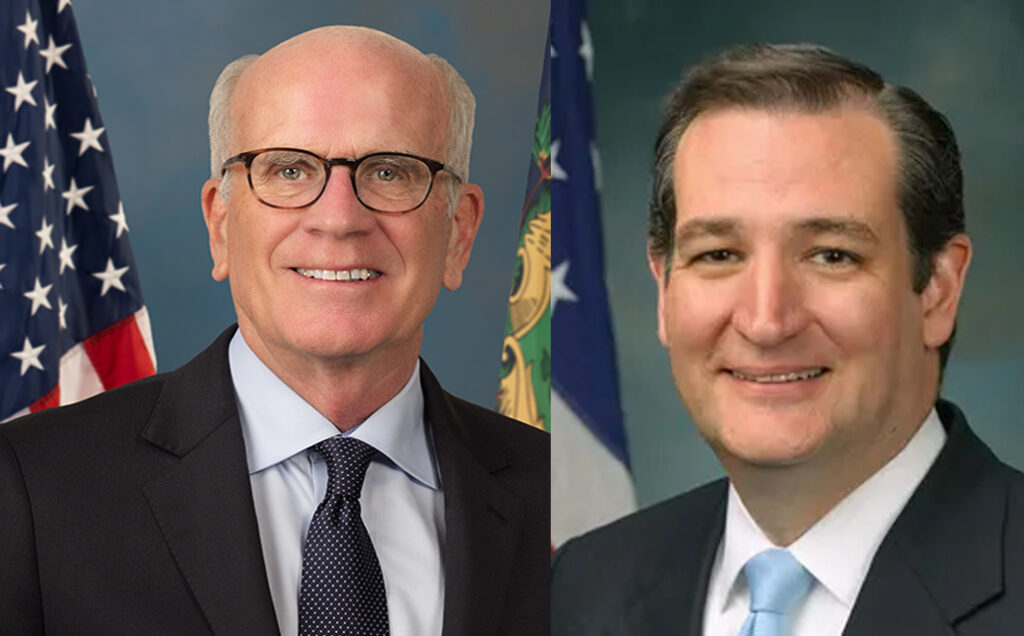
Senator Peter Welch, left and Senator Ted Cruz
“Innovative companies that want to expand access to high-speed Internet for Americans face an outdated regulatory process, leading to massive delays in the deployment of new satellite technologies,” said Senator Ted Cruz. “I am pleased to join with Senator Welch in reintroducing this legislation to create a clear, standardized FCC review process to prevent unnecessary delays and accelerate high-speed internet deployment to unserved communities.”
“Unlocking the full potential of America’s satellite industry is a major part of connecting more rural communities to high-speed internet,” added Senator Peter Welch. “That’s why it’s crucial to reduce red tape that hinders the development of new satellite technology.”
Next Steps for the Commerce Committee
The bill has been referred to the Senate Committee on Commerce, Science, and Transportation. Legislative analysts expect a committee markup in early Q2 2026, where the “shot clock” provisions will likely face scrutiny regarding FCC resource allocation. If passed, the act would represent the most significant update to satellite licensing statutes since the emergence of large-scale Low Earth Orbit (LEO) constellations.
We use cookies to ensure that we give you the best experience on our website. If you continue to use this site we will assume that you are happy with it.