
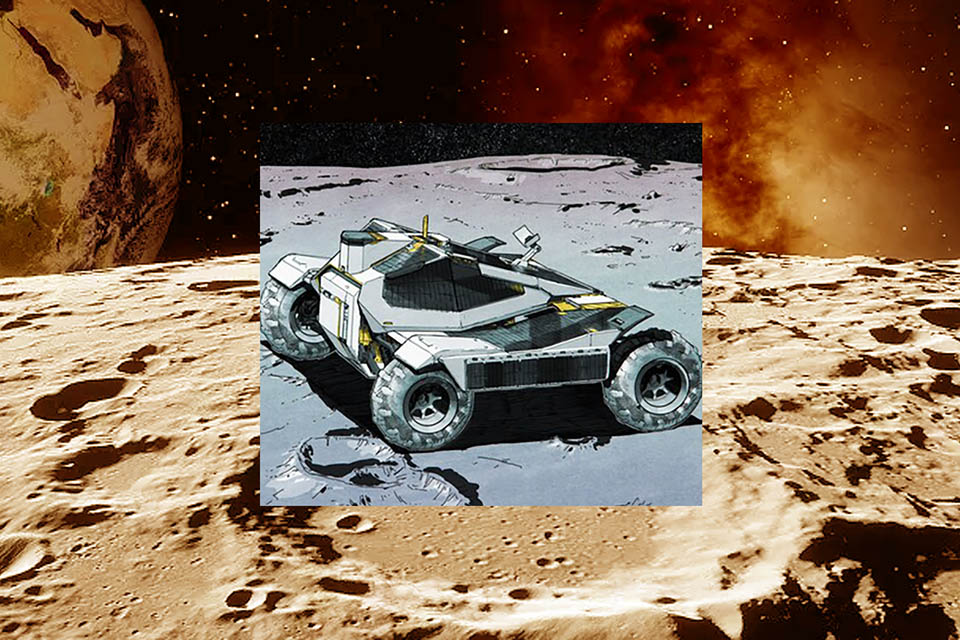
PASADENA, Calif. – On Tuesday, January 13, 2026, Black Moon Energy Corporation (BMEC) announced a strategic engagement with NASA’s Jet Propulsion Laboratory (JPL) and Caltech to develop a robotic lunar mission. The mission is designed to assess the viability of Helium-3 recovery from the lunar surface to support the emerging fusion energy market.
Under the agreement, JPL and Caltech will provide mission operations support and lead the development of specialized robotic systems required for surface sampling and analysis. This partnership aims to bridge the gap between commercial energy requirements and government-led robotic expertise.
Establishing a Space-Based Supply Chain for Fusion
The primary objective of the mission is to locate and quantify Helium-3 concentrations within the lunar regolith. Helium-3 is a rare isotope on Earth but is believed to be abundant on the Moon due to billions of years of solar wind exposure. It is considered a critical fuel source for next-generation nuclear fusion reactors because it can produce high amounts of energy without generating radioactive waste.
BMEC is focused on the long-term development of a space-based supply chain, transitioning lunar exploration from scientific discovery to industrial resource utilization. The company intends to leverage the mission data to design large-scale extraction facilities capable of harvesting and transporting the isotope back to Earth.
Strategic Integration of JPL Expertise
By engaging JPL, Black Moon Energy gains access to advanced robotic technologies capable of navigating the harsh, abrasive environment of the Moon. JPL’s extensive flight heritage with Mars rovers and lunar landers provides the technical foundation for BMEC’s autonomous resource-prospecting fleet.
The collaboration also validates the growing “sovereign-commercial nexus” in deep space, where private firms utilize taxpayer-funded research to accelerate high-risk commercial ventures. The involvement of Caltech further ensures that mission operations and data processing meet the high standards required for complex, multi-year lunar deployments.
Outlook for the Lunar Energy Sector
As the mission enters its initial design and development phase, BMEC plans to coordinate with other stakeholders in the Commercial Lunar Payload Services (CLPS) program to secure a flight opportunity. The successful identification of concentrated Helium-3 deposits would represent a turning point for the lunar economy, potentially attracting significant investment from the global energy sector.
The company expects to release a detailed mission timeline and initial hardware specifications later this year. BMEC’s move signals a broader shift in the space industry toward the “industrialization of the Moon,” where resource extraction becomes the primary driver for permanent orbital and surface infrastructure.