
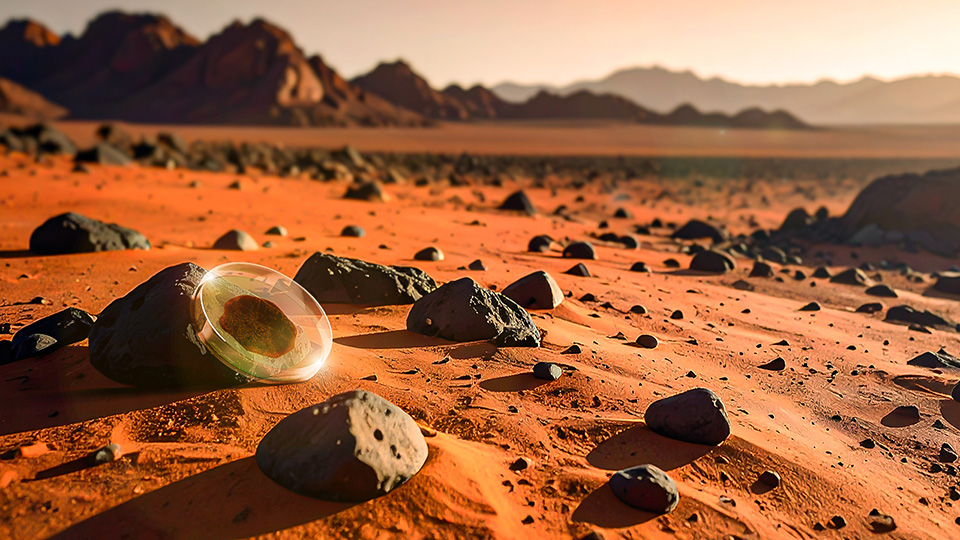
January 2, 2026 — NASA researchers and an international team of scientists from King Abdullah University of Science and Technology (KAUST) have identified 26 previously unknown bacterial species capable of surviving in high-sterility spacecraft assembly facilities.
The discovery, detailed in a study published in the journal Microbiome, raises significant concerns for planetary protection protocols as space agencies prepare for future sample-return missions and human exploration of Mars.
Methodology and Discovery Context
The information originated from a comprehensive genomic analysis of 215 bacterial strains collected from the cleanrooms used to assemble the Mars Phoenix lander at the Jet Propulsion Laboratory. While these facilities are engineered to minimize biological presence through HEPA filtration, UV radiation, and chemical sterilization, researchers discovered that 53 strains belonging to 26 novel species persisted despite these rigorous measures.
Genomic Resilience and Technical Specifications
The newly identified extremophiles possess specialized genetic traits that allow them to endure conditions typically lethal to most life forms. Technical analysis of the genomes revealed the following:
- DNA Repair Systems: Robust mechanisms that allow the bacteria to reconstruct genetic material damaged by intense UV radiation.
- Detoxification Genes: The ability to neutralize harmful cleaning agents and chemicals used in sterilization.
- Biofilm Formation: Genetic clusters that enable the microbes to form protective layers, allowing them to cling to cleanroom surfaces and spacecraft components.
- Metabolic Adaptations: Efficient nutrient processing that allows survival in oligotrophic (nutrient-poor) environments.
Implications for Planetary Protection
The persistence of these “super-tough” bacteria suggests that current sterilization standards may not fully eliminate the risk of “forward contamination”—the unintentional transfer of Earth-based life to other planets. If these microbes were to reach Mars, they could potentially interfere with life-detection experiments or outcompete indigenous microorganisms, should any exist.
“Our study aimed to understand the risk of extremophiles being transferred in space missions and to identify which microorganisms might survive the harsh conditions of space,” explained Alexandre Rosado, the lead KAUST researcher on the project.
Timeline for 2026 Simulation Experiments
Beginning in early 2026, researchers will utilize a specialized planetary simulation chamber at KAUST to subject these 26 species to the extreme conditions found during deep-space transit and on the Martian surface. These tests will include exposure to vacuum pressures, carbon dioxide-rich atmospheres, extreme thermal cycling, and high-intensity solar radiation to determine the actual survival rate of the bacteria beyond the cleanroom environment.
Findings from these 2026 experiments are expected to guide the development of next-generation sterilization technologies for upcoming missions, including the Mars Sample Return (MSR) program.