
By Abbey White, Staff Writer, SatNews
Executive Brief
- Leadership Void: Tory Bruno’s sudden resignation leaves United Launch Alliance (ULA) with an interim CEO, John Elbon, who already announced plans to retire.
- Cadence Crisis: Despite achieving NSSL certification in 2025, ULA’s year-end total of 6 flights failed to relieve the market’s critical shortage of non-SpaceX heavy-lift capacity.
- Acquisition Signal: The appointment of a “caretaker” leader strongly suggests Boeing and Lockheed Martin are preparing the joint venture for an imminent sale.
The Sudden Departure
The timing of Tory Bruno’s resignation, announced Monday and effective immediately, strikes a discordant note in an industry that prizes orchestrated stability. For 12 years, Bruno was the public face and technical soul of ULA, steering the joint venture through the existential threat of SpaceX and the torturous development of the Vulcan Centaur. To leave now, just months after the rebranded Amazon Leo program began scaling, suggests the victory lap was shorter than expected.
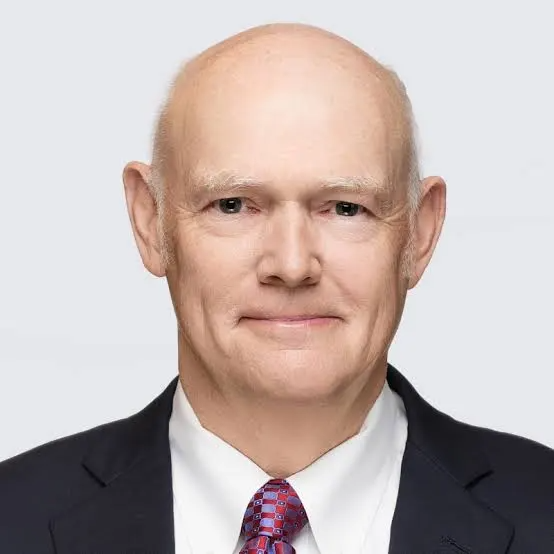
The board has appointed former Chief Operating Officer John Elbon as Interim CEO. Crucially, Elbon had recently announced plans to retire. In the unforgiving calculus of launch economics, you do not appoint a retiring executive if you are planning a decade of aggressive expansion; you appoint one if you are keeping the engine running while you negotiate a transaction.
The Scoreboard Doesn’t Lie
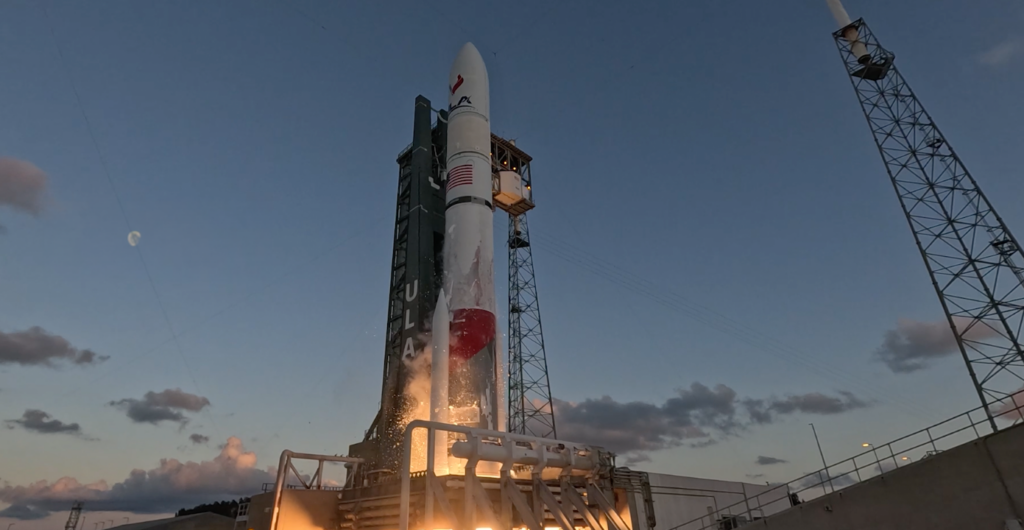
Bruno’s departure comes at the end of a year that was supposed to be ULA’s renaissance but ended as a reminder of its constraints. While the company successfully certified Vulcan for National Security Space Launch (NSSL) missions following the Cert-2 flight on Oct. 4, 2024, and operationalized the vehicle with the USSF-106 mission on Aug. 12, 2025, the tempo has lagged.
Industry observers note that ULA closed 2025 with approximately six launches. This stands in stark contrast to Bruno’s 2024 projection of ramping to 20+ flights. In isolation, six heavy-lift missions is a respectable achievement. But in a year where the industry leader executed over 150 launches, the disparity is no longer just about price—it is about relevance.
The Amazon Leo Pressure Cooker
The core tension facing the new leadership is the sheer volume of obligations. Amazon’s Amazon Leo constellation (formerly Project Kuiper) has booked 38 Vulcan flights and is under intense regulatory pressure to meet FCC deployment milestones. The rebrand to “Amazon Leo” in November 2025 signaled Amazon’s intent to treat this as a mass-market consumer service, increasing the pressure for rapid deployment.
ULA’s inability to rapidly scale Vulcan production creates a critical bottleneck. With the Amazon Leo timeline compressing, every delay in the Decatur factory risks downstream penalties for ULA’s largest commercial customer.
The “Too Big to Fail” Defense
However, ULA remains insulated by the Pentagon’s requirement for “Assured Access to Space.” The Department of Defense cannot allow a single provider to become a monopoly. This regulatory moat ensures that ULA will continue to receive lucrative NSSL task orders regardless of its commercial competitiveness.
Furthermore, the elevation of Mark Peller to COO, previously the SVP of Vulcan Development, suggests the board is prioritizing technical stability over commercial agility. Peller’s primary mandate will likely be ensuring that the assembly line keeps moving without a mission failure, protecting the company’s valuation for a future buyer.
Forecast: The For Sale Sign
The transition to Elbon, a known caretaker, is the strongest signal yet that 2026 will be the year ULA is finally sold. For parents Boeing and Lockheed Martin, ULA has transitioned from a cash cow to a capital-intensive liability requiring massive investment to compete with reusable architectures. Bruno’s exit marks the end of the independent ULA era; the next permanent CEO will likely be appointed by new owners.