
FORT WORTH, Texas — American Airlines Group Inc. has entered preliminary discussions with Amazon to utilize the tech giant’s low Earth orbit (LEO) satellite network for in-flight Wi-Fi, according to a report by Bloomberg. The talks, confirmed by American Airlines CEO Robert Isom this week, signal a potential shift in the carrier’s connectivity strategy as it seeks to compete with rivals that have already committed to next-generation satellite providers.
The discussions center on Amazon Leo—the constellation formerly known as Project Kuiper—which was rebranded in November 2025. While no formal agreement has been signed, the move highlights American’s interest in diversifying its connectivity options beyond traditional geostationary (GEO) providers. This development follows moves by competitors United Airlines and Alaska Airlines, both of which recently secured agreements with SpaceX’s Starlink.
Seeking Competition in LEO
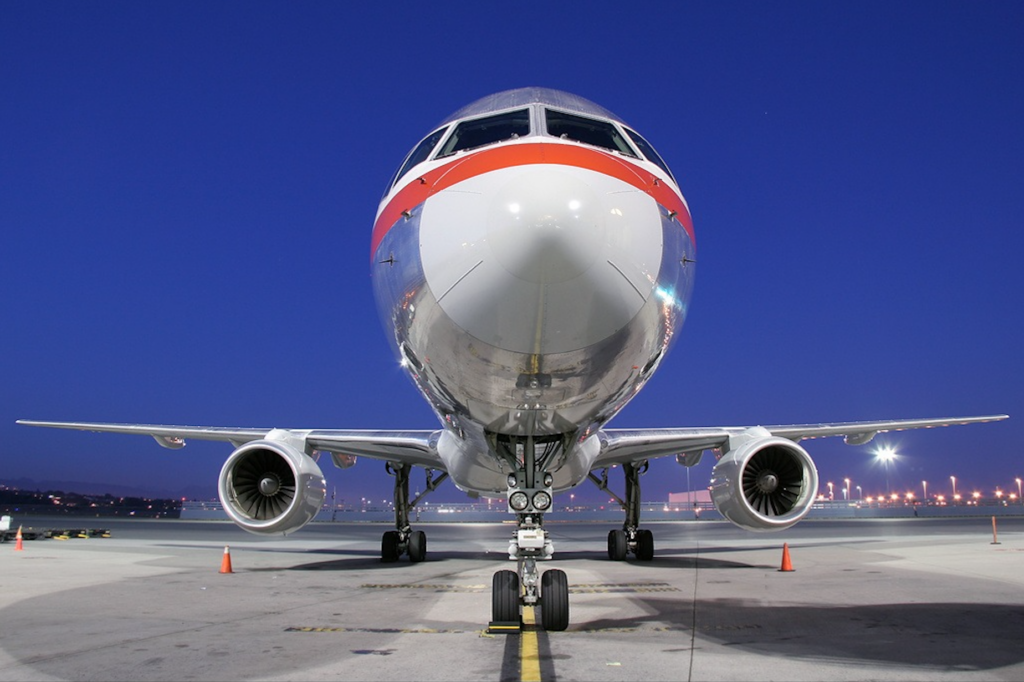
The airline industry is aggressively pivoting toward LEO networks, which offer lower latency and higher bandwidth compared to legacy GEO systems. American’s engagement with Amazon suggests a desire to avoid vendor lock-in with SpaceX, currently the dominant player in the operational LEO market.
“We’re making sure that American is going to have what our customers need,” Isom told Bloomberg. “While there’s Starlink, there are other low-Earth-orbit satellite opportunities that we can look at.”
The potential partnership would build on Amazon’s growing footprint in the aviation sector. Earlier this year, JetBlue became the first airline to select Amazon’s network for fleet-wide connectivity, validating the system’s architecture before its full commercial debut.
Constellation Status and Timeline
Amazon Leo is currently in a rapid deployment phase. As of December 2025, the network has approximately 150 satellites in orbit, with a planned total of 3,236 satellites required to complete the constellation. The system utilizes Ka-band phased array antennas designed to deliver gigabit-class speeds to enterprise and aviation terminals.
While Starlink has thousands of active satellites, Amazon’s service is currently in a preview phase. A wider commercial rollout is projected for 2026, aligning with American Airlines’ potential timeline for retrofitting aircraft if a deal is solidified. Isom noted that while the technology is maturing, the airline is “exploring multiple options” to ensure premium connectivity for passengers.