
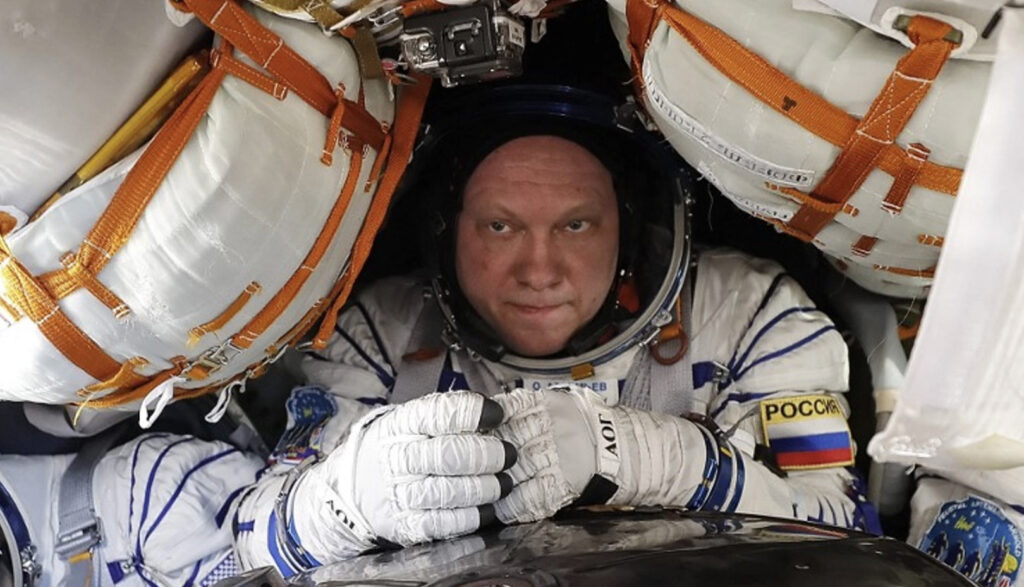
Russian Cosmonaut Oleg Artemyev has been abruptly removed from the upcoming SpaceX Crew-12 mission, which is currently slated for a 2026 launch, following an alleged security breach involving highly sensitive, export-controlled technology at a SpaceX facility. Reports indicate that Artemyev was found to have photographed proprietary, and potentially classified, technical materials—specifically mentioning rocket engines—without authorization, constituting a serious violation of protocols intended to protect intellectual property (IP).
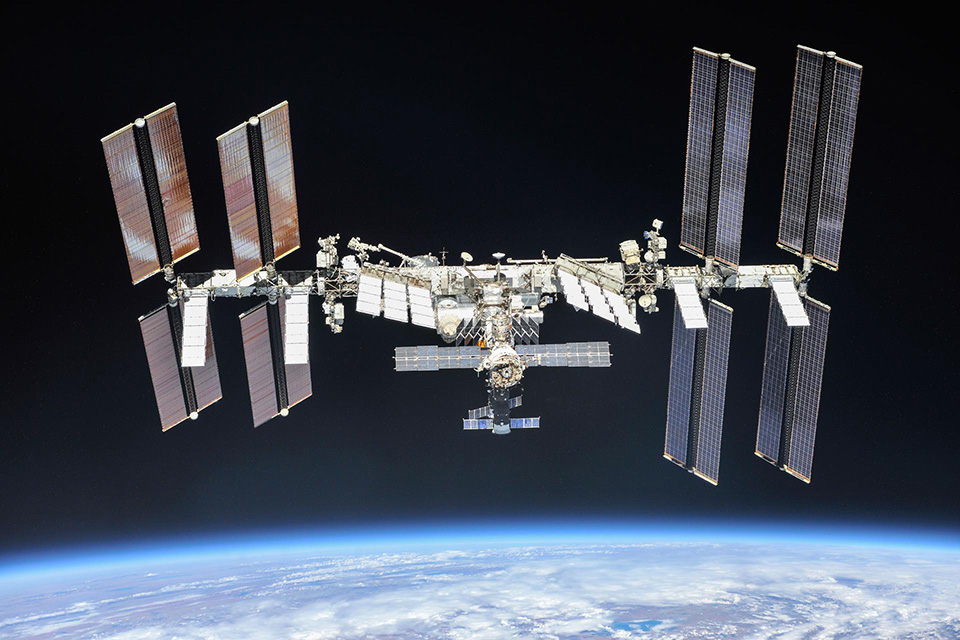
Artemyev, a veteran spaceflyer, has been replaced on the flight roster by fellow cosmonaut Andrei Fedyayev. The incident immediately puts significant strain on the already fragile NASA-Roscosmos seat-swap agreement, which was established to ensure both a U.S. astronaut and a Russian cosmonaut are always aboard the International Space Station (ISS) to operate their respective segments. The alleged breach highlights the intensifying security protocols and the rising complexities of managing sensitive national security technology as commercial entities, like SpaceX, assume a larger role in international space travel.
Impact of the Artemyev Incident: The recent removal of Cosmonaut Oleg Artemyev from the Crew-12 mission over the alleged security breach at SpaceX facilities introduces political and security strain on the agreement.
Immediate Effect: The replacement of Artemyev with Cosmonaut Andrei Fedyayev means the mission will still fly with a Russian crew member as planned, preserving the continuity of the seat swap.
Long-Term Concern: The incident highlights the high sensitivity of U.S. export-controlled technology (like SpaceX’s hardware) and could lead to tighter security protocols for future cosmonaut training and access to commercial facilities, potentially increasing friction between the partners.
In essence, the seat-swap deal is a pragmatic necessity that prioritizes the successful and safe operation of the ISS, allowing cooperation to continue on the station even as relations between the two countries remain strained on Earth.
The initial formal agreement was established in July 2022. It has been subsequently extended multiple times, with the latest reported extension covering missions through 2027. For example, Roscosmos has detailed that this includes two NASA astronaut flights on Soyuz missions in 2025 and 2026, and three Roscosmos cosmonaut flights on Crew Dragon missions between 2025 and 2027.