
Structuring the Next Decade of Commercial Space
Entering its 11th year, the SmallSat Symposium has released a 2026 agenda that signals a distinct shift from the “new space” experimental era to a phase of industrial maturity and integration. Scheduled for February 10 through February 12 at the Computer History Museum in Mountain View, California, the event has opened registration with time-sensitive early bird pricing. The 2026 program moves beyond general market optimism to address the specific engineering and regulatory bottlenecks facing high-growth sectors like Direct-to-Device (D2D) and on-orbit edge computing.

SmallSat Industry Trends
The unveiled session tracks reflect three dominant trends currently reshaping the satellite market:
- The D2D Reality Check: While the direct-to-cell market has attracted billions in investment, the engineering challenges remain substantial. The session “Cracking the D2D Code: Engineering Solutions to Power, Doppler & Spectrum Locks” indicates a move away from broad partnership announcements to the technical realities of closing the link budget between moving satellites and standard smartphones.
- From Downlink to Edge Compute: The agenda features multiple sessions, including “Edge of Orbit: Smallsats and the Rise of the Space Data Layer” and “Trust in Orbit: AI, Autonomy & Accountability.” This aligns with the wider industry trend of reducing latency by processing data in space—shifting value from simple data collection (Earth Observation) to actionable intelligence (AI/Analytics).
- Regulatory Saturation: With Low Earth Orbit becoming increasingly crowded, the symposium has prioritized the “Great Spectrum Crunch” and “Space Domain Awareness.” These sessions highlight the critical transition from open skies to a contested, heavily regulated orbital environment where spectrum rights and collision avoidance are now central business risks.
Venue and Market Context

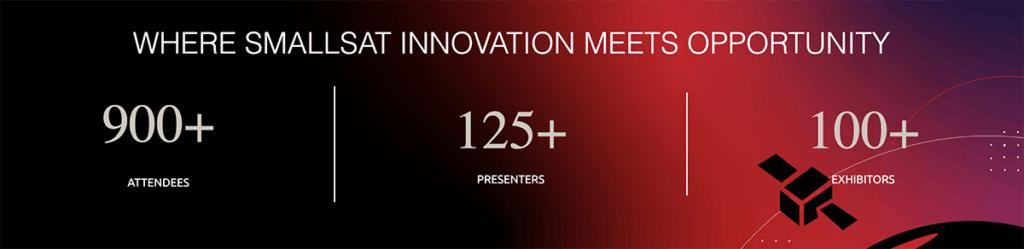
Returning to Silicon Valley, the symposium utilizes the Computer History Museum to underscore the convergence of terrestrial tech and orbital infrastructure. Since its inception more than a decade ago, the event has served as a primary deal-making hub where technical milestones often translate into funding opportunities. The 2026 iteration continues this focus, offering specific tracks on “Navigating the Financial Frontier” to help companies adapt to a capital environment that now demands profitability over growth.
Registration and Schedule
Registration is currently open for the three-day event. Organizers have implemented early bird pricing tiers to encourage early commitment from the international delegation. The program runs from Tuesday, February 10, through Thursday, February 12, 2026.