
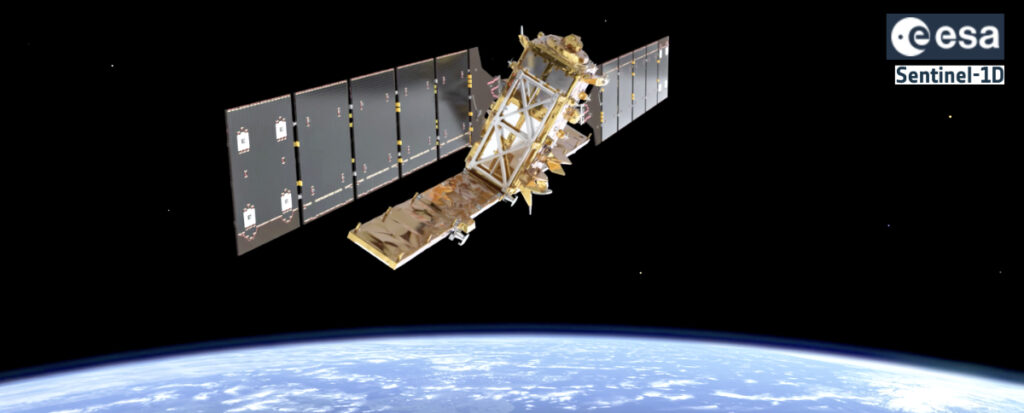
For more than a decade, mission control teams at the European Space Operations Centre (ESOC) have successfully commissioned and operated most of the Sentinel fleet of satellites.

In preparation of the coming launch of Sentinel-1D, mission controllers have started the simulations of the critical ‘launch and early orbit phase’. The launch of Copernicus Sentinel-1D will provide a much-needed replacement to Sentinel-1A, which has been in orbit for almost 11 years now, well beyond its planned lifetime. The Sentinel-1D satellite will join its sibling, Sentinel-1C, which was launched last December.
On top of ensuring continuity of data for Copernicus services and applications, the satellite, the fourth of its series, will extend the mission’s Earth Observations (EO) capabilities and provide a long-term outlook for the next decadeSentinel-1D will be lifted into orbit by an Ariane 6 rocket from Europe’s Spaceport in Kourou, French Guiana, later this year (2025). This marks the first time an ESOC-operated satellite will be launched on Ariane 6, a milestone for ESA’s operations team.
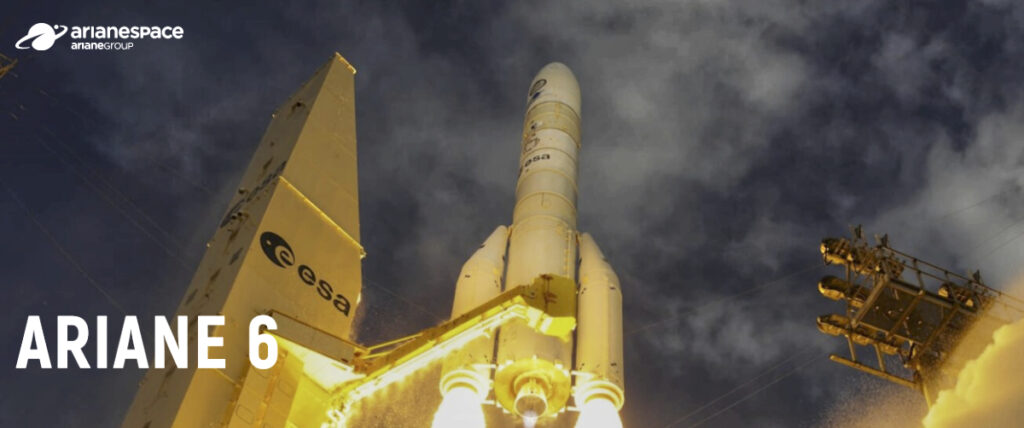
On September 17, the control team located at ESA’s operation center in Darmstadt, Germany, began preparing for the launch and the crucial early-orbit phase. Thanks to their recent experience with Sentinel-1C, the team is expected to complete the simulation campaign more quickly than usual.
The team has been augmented by over a hundred experts from flight dynamics, ground stations, software systems, and other specialist areas, along with industry partners who built the satellite and ESA engineers who designed and procured it.
The simulations have been downsized from the usual fifteen or more sessions to eight only, during which mission plans and procedures for both the satellite and ground segment will be rehearsed, reviewed, and refined.
Using sophisticated software to replicate satellite and ground systems, the team will train for a range of scenarios – from minor glitches to major anomalies – ensuring they can respond quickly and effectively under pressure.
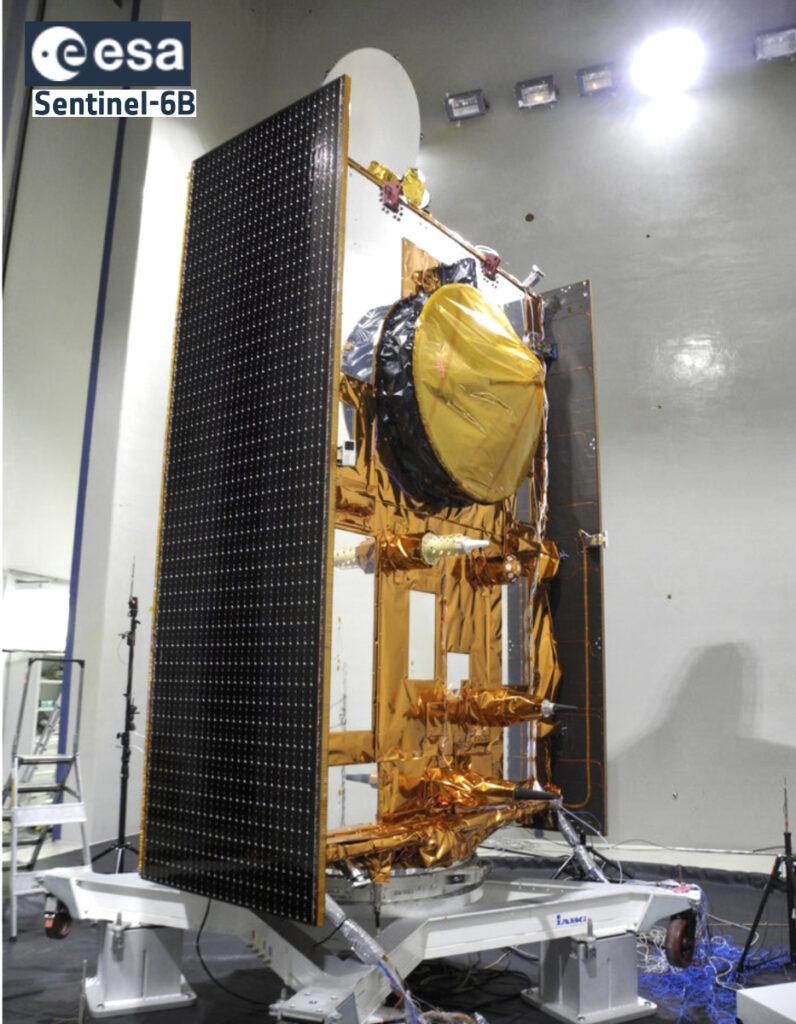
One of the scenarios the team has been preparing for is a potential delay in the Sentinel-1D launch that could cause it to overlap with the launch campaign of Sentinel-6B, currently scheduled also this year. To mitigate this, contingency plans have been developed to ensure both missions can proceed smoothly, even if timelines converge.
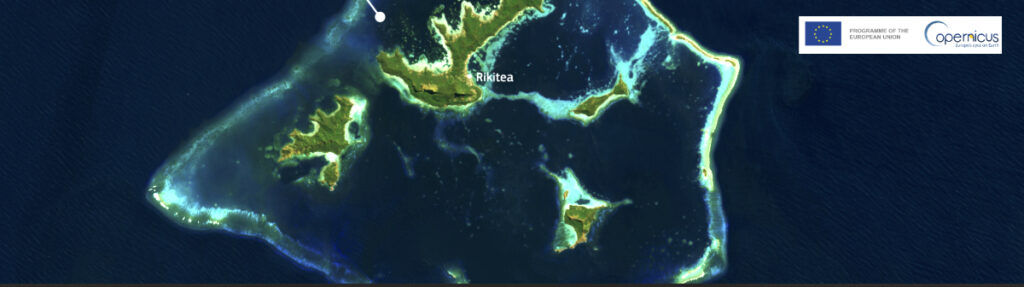
This Copernicus Sentinel series of satellites is no stranger to ESA mission controllers. Just over ten years ago, in early 2014 , the same control room hosted the simulation campaign for Sentinel-1A before the launch of the satellite in April. Since then, ESOC has successfully commissioned and operated ten satellites under the Copernicus Earth Observation program.
In the final days of the simulation campaign, teams at ESOC will work with the joint ESA, Arianespace and industry launch team in Kourou to complete the comprehensive final simulation of the countdown and launch sequence. This will include receiving live signals from the satellite via an umbilical connection, which will be disconnected shortly before liftoff.
Once the last step is completed, the mission control team will be ready to launch the satellite. Good luck Sentinel-1D!
We’re essentially working with the same satellite and the same team as last year,” said Ian Shurmer, Flight Operations Director for Sentinel-1D. “This allows us to streamline several phases of the training and focus on the unique aspects of this launch.”
Sentinel-1D marks the last launch of the first Sentinel mission, although it’s only the end of the beginning”, said Thomas Ormston, Deputy Spacecraft Operations Manager for Sentinel-1D. “With such varied spacecraft, and more to come, we have learned so much from flying the Sentinel missions and look forward to many more to come. At ESOC we are experienced in adapting to different launch vehicles, so the first Ariane 6 launch is no different, although we’re all excited to finally get to ‘fly’ on Europe’s new launcher.”
Flying Sentinel-1D on Ariane 6 in less than a year after launching Sentinel-1C on the Vega-C’s return to flight is a tremendous honour for our team. Sentinel-1D represents not only continuity for Copernicus but also a bold step forward in European launch capability”, said Ana Garcia, Sentinel-1D Launch Campaign Manager.