
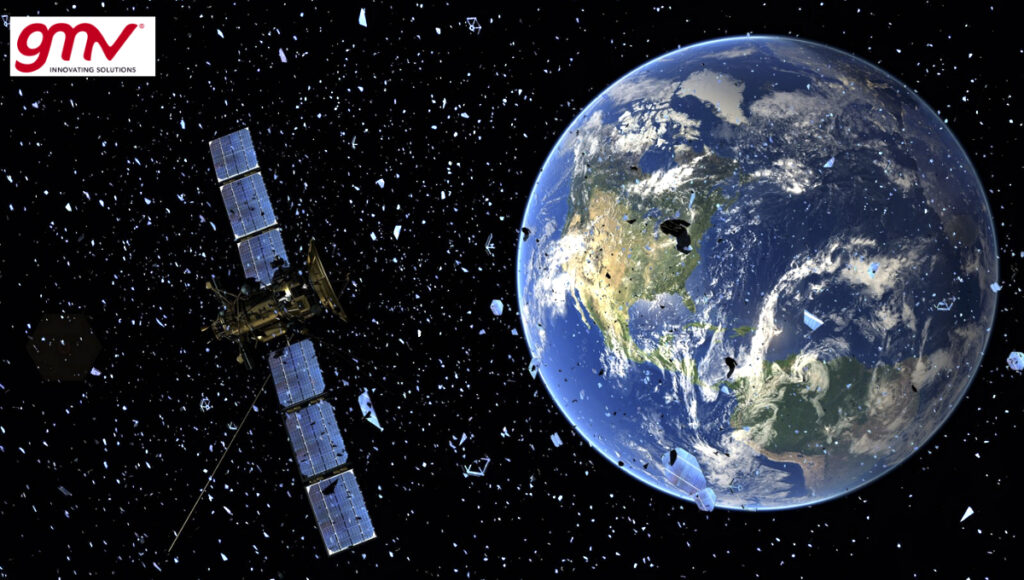
With the rapid expansion of satellite constellations in LEO, the risk of orbital collisions is rising at an unprecedented pace. The proliferation of objects in space—ranging from active satellites to defunct assets and debris—poses serious challenges for operators striving to maintain the safety and sustainability of their missions.
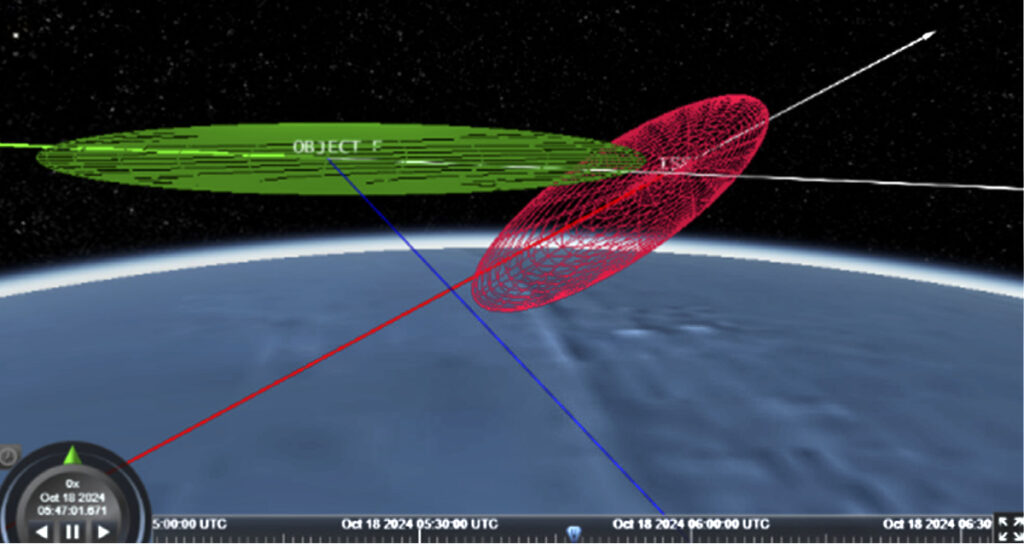
fleet. Image is courtesy of GMV.
As daily data volumes grow and conjunction warnings become more frequent, the space community faces mounting pressure to adopt more advanced and reliable collision avoidance solutions.
In this context, GMV has been awarded a new R&D contract by the European Space Agency (ESA) under its Advanced Research in Telecommunications Systems (ARTES) Core Competitiveness program within ESA’s Connectivity and Secure Communications. The initiative aims to develop an advanced collision avoidance service tailored to the needs of large-scale telecommunications constellations.
Building upon the success of GMV’s proven Focusoc platform, the new service—FOCUSOC NXTGEN—will deliver faster and more accurate collision risk assessments by integrating a wide array of data sources and enhancing response strategies. This next generation solution is designed to empower satellite operators with smarter, more agile tools to safeguard their assets in an increasingly congested orbital environment.
A key innovation of the project is the creation of a new conjunction assessment center in the United Kingdom. This centre will serve operators both in the UK and globally, offering expanded capabilities beyond current services. Thanks to a complete system redesign, the platform will support significantly higher data processing volumes, with a scalable and dynamic infrastructure that adapts to user demands.
While the current service can process constellations of tens of satellites, the goal is to accommodate the new key players: large-sized constellations that feature hundreds of them. FOCUSOC-NXTGEN is aiming to assess conjunctions for more than 1,000 satellites. Nevertheless, the standout feature of the project is its horizontal scalability, which allows the system to expand as user demands grow.
This significant leap not only enhances computational capacity, but also requires improved user interfaces to provide real-time global insights, specifically optimized for large-constellation operations.
FOCUSOC-NXTGEN tackles the growing challenge of managing vast volumes of orbital data—now reaching over 7 GB daily—by filtering out false positives and pinpointing genuine threats with greater precision. The system will deliver timely and highly relevant maneuver recommendations, helping operators avoid unnecessary disruptions to their missions.
Among its standout features, the service will include a dedicated database of conjunctions to support long-term trend analysis, a maneuver testing environment leveraging GMV’s renowned Flight Dynamics Systems expertise, and seamless API integration for operational efficiency. Redundant system architecture will ensure uninterrupted 24/7 availability.
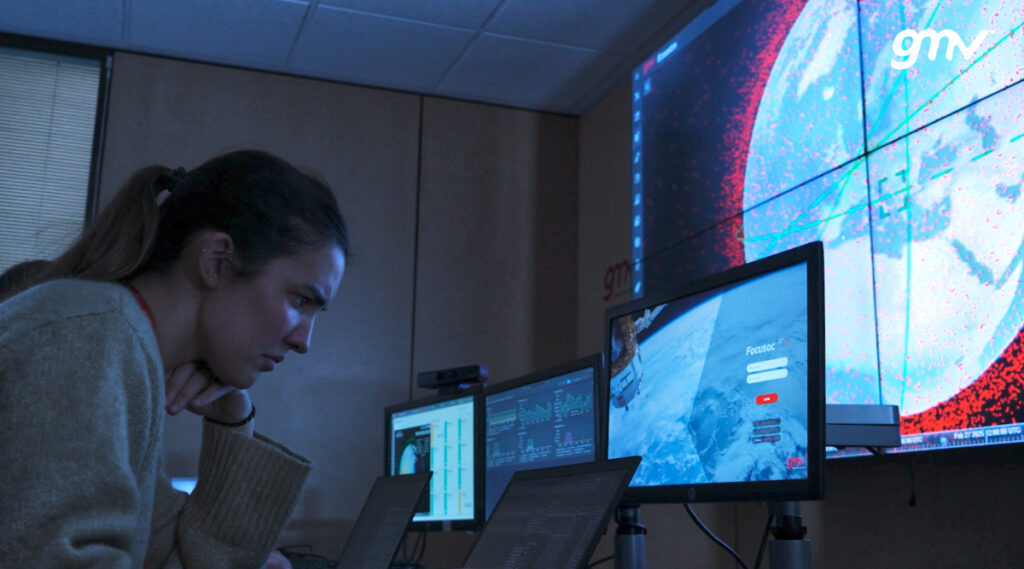
The new service is scheduled for official launch in the summer of 2026, with ongoing developments in close collaboration with leading industry stakeholders. With FOCUSOC-NXTGEN, GMV reinforces its position at the forefront of safe and sustainable space operations.
By contributing to the development of FOCUSOC NXTGEN, ESA is helping tackle a critical issue: the risk of orbital collisions,” said Laurent Jaffart, ESA Director of Connectivity and Secure Communications. “The success and long-term sustainability of space activities rely heavily on orbital safety; ensuring satellites and space assets remain free from collision risks. This service will be instrumental in enabling other ESA-supported innovations to thrive, delivering fast and reliable communications without interruption.”