
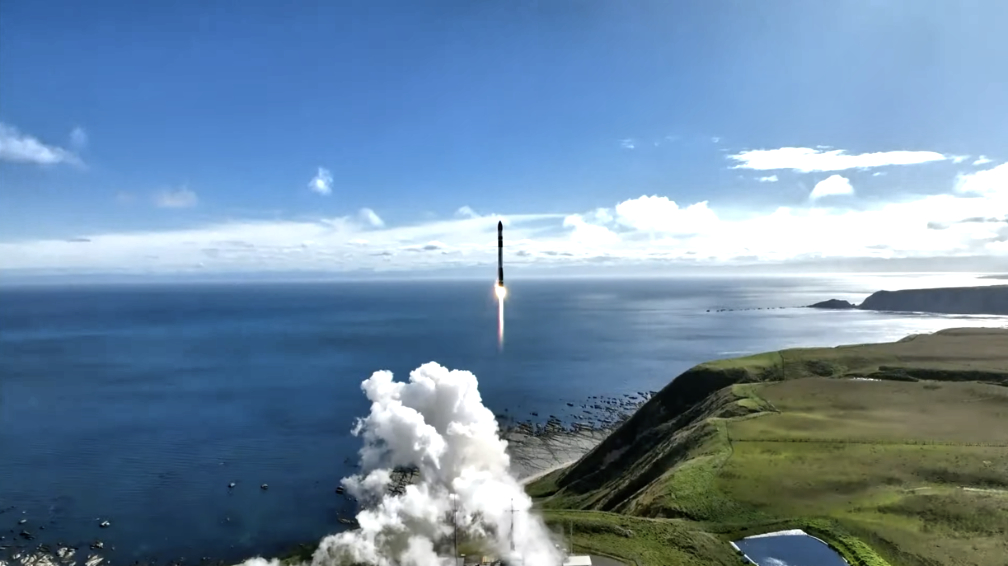

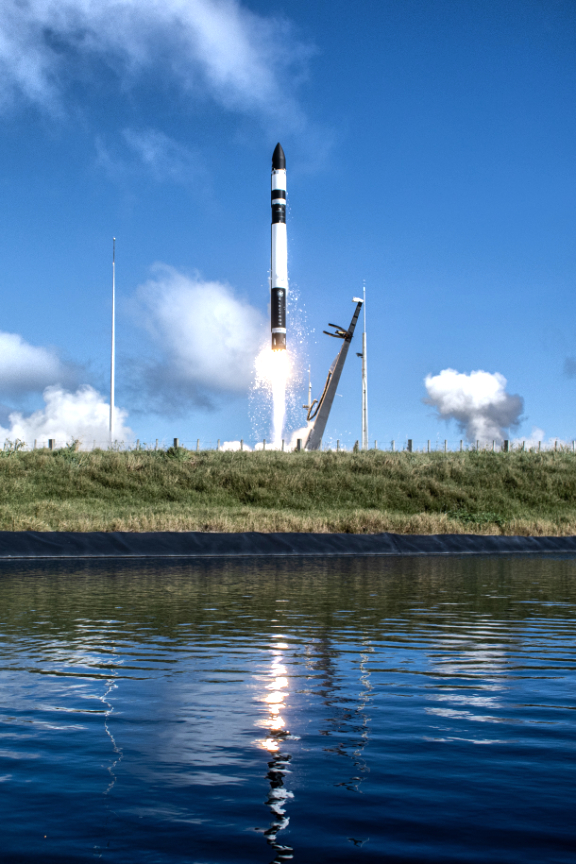
The ‘Rocket Like a Hurricane’ launch lifted-off on May 8th. at 13:00 NZST (01:00 UTC) from Rocket Lab Launch Complex 1 on New Zealand’s Mahia Peninsula deploying two of the four CubeSats that comprise the TROPICS constellation (Time-Resolved Observations of Precipitation structure and storm Intensity with a Constellation of Smallsats). TROPICS will monitor the formation and evolution of tropical cyclones, including hurricanes, and will provide rapidly updating observations of storm intensity.
The constellation, which is part of NASA’s Earth System Science Pathfinder Program, requires launch to 550 kilometers altitude and inclination of about 30 degrees. Each pair of CubeSats must be launched to two specific orbital planes that are equally spaced 180 degrees opposite to maximize the temporal resolution. These unique orbits over Earth’s tropics allow the satellites to travel over any given storm about once an hour compared with current weather tracking satellites that have a timing of about once every six hours.
This high revisit rate aims to help scientists better understand the processes that effect these high-impact storms, ultimately leading to improved modeling and prediction to help protect lives and livelihoods. All four TROPICS satellites need to be deployed into their operational orbit within a 60-day period, a mission requirement made possible with small dedicated launch. With the first batch of TROPICS CubeSats now in orbit, the second launch, called ‘Coming to a Storm Near You,’ is expected to launch on another Electron rocket in approximately two weeks from Launch Complex 1.
‘Rocket Like a Hurricane’ was Rocket Lab’s fourth mission for 2023 and the Company’s 36th Electron mission overall. It brings the total number of satellites launched to orbit by Rocket Lab to 161.
“The TROPICS constellation has the real potential to save lives by providing more timely data about storm intensity and providing advance warning to those in storm paths, so it’s an immense privilege to have deployed these spacecraft to their precise orbits before the upcoming storm season. We’re grateful to the NASA team for entrusting us with such a critical mission and we look forward to completing the constellation with the second Electron launch in the coming days.”
— Peter Beck, Rocket Lab founder and CEO
“We are extremely proud of all our partners, including MIT Lincoln Labs, Blue Canyon Technologies, KSAT, and Rocket Lab for successfully executing on this first launch. We look forward to the entire constellation being on-orbit to realize the benefits for the agency, as well as for our colleagues around the world.”
— Ben Kim, TROPICS program executive for NASA’s Earth Science Division.

Previous posting…
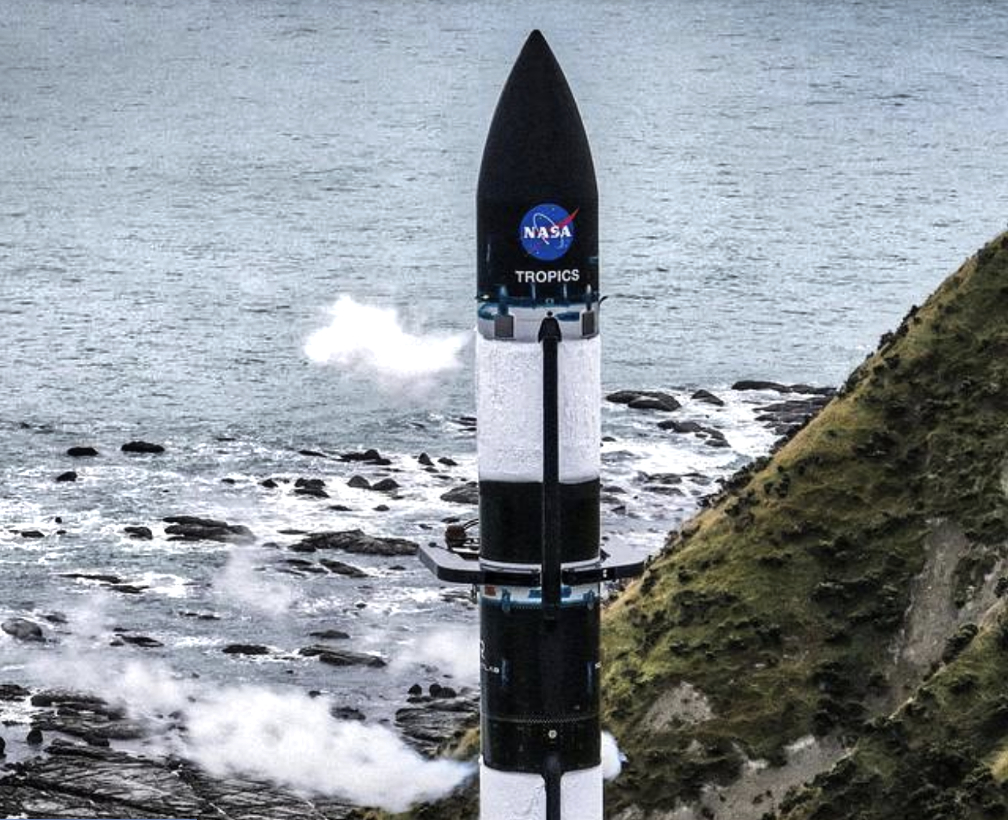
After the previous launch target date was changed due to weather conditions in New Zealand, NASA and Rocket Lab are now targeting 9:00 p.m., EDT, Sunday, May 7th, (1 p.m. Monday, May 8, New Zealand Standard Time), to launch two storm tracking CubeSats into orbit.
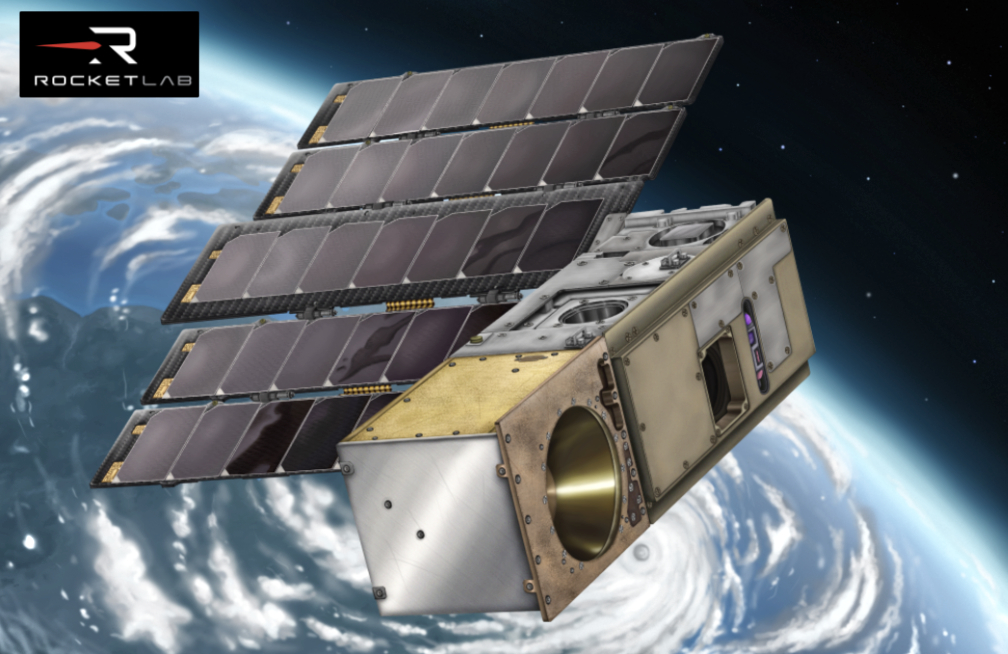
The agency’s TROPICS (Time-Resolved Observations of Precipitation structure and storm Intensity with a Constellation of Smallsats) mission has a two-hour launch window from Launch Complex 1 Pad B in Māhia, New Zealand.
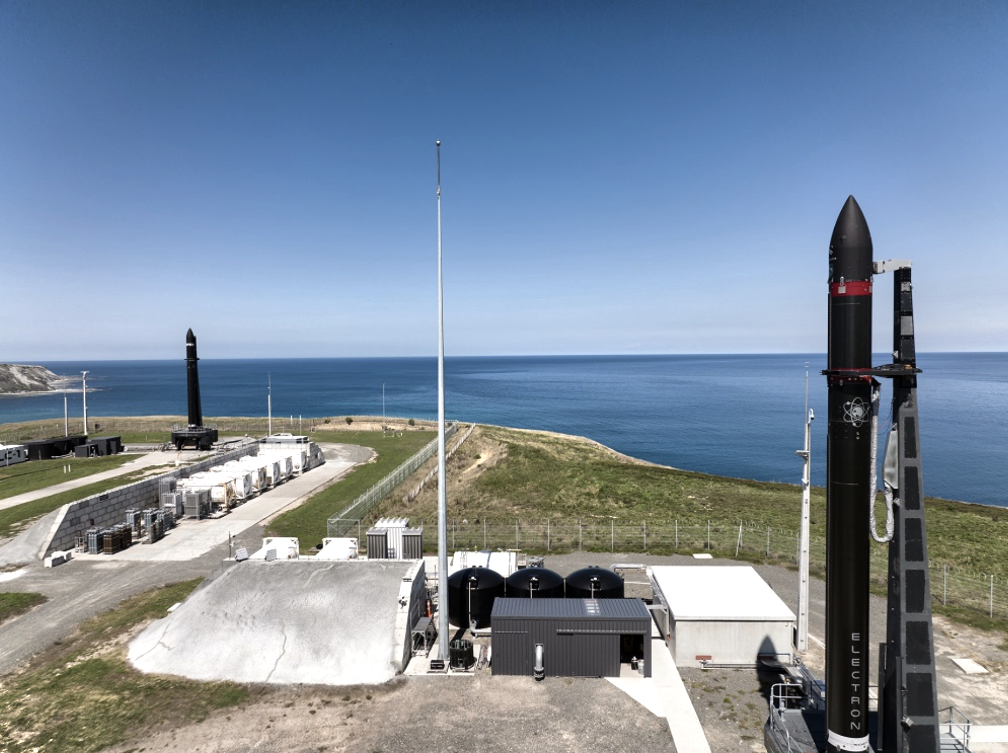
Rocket Lab will provide live coverage starting approximately 20 minutes prior to launch. Coverage will air on NASA Television, the NASA app, the agency’s website as well as the Rocket Lab launch website.
A second launch from Rocket Lab will carry two additional CubeSats, with exact launch times contingent on the date and time of the first launch.
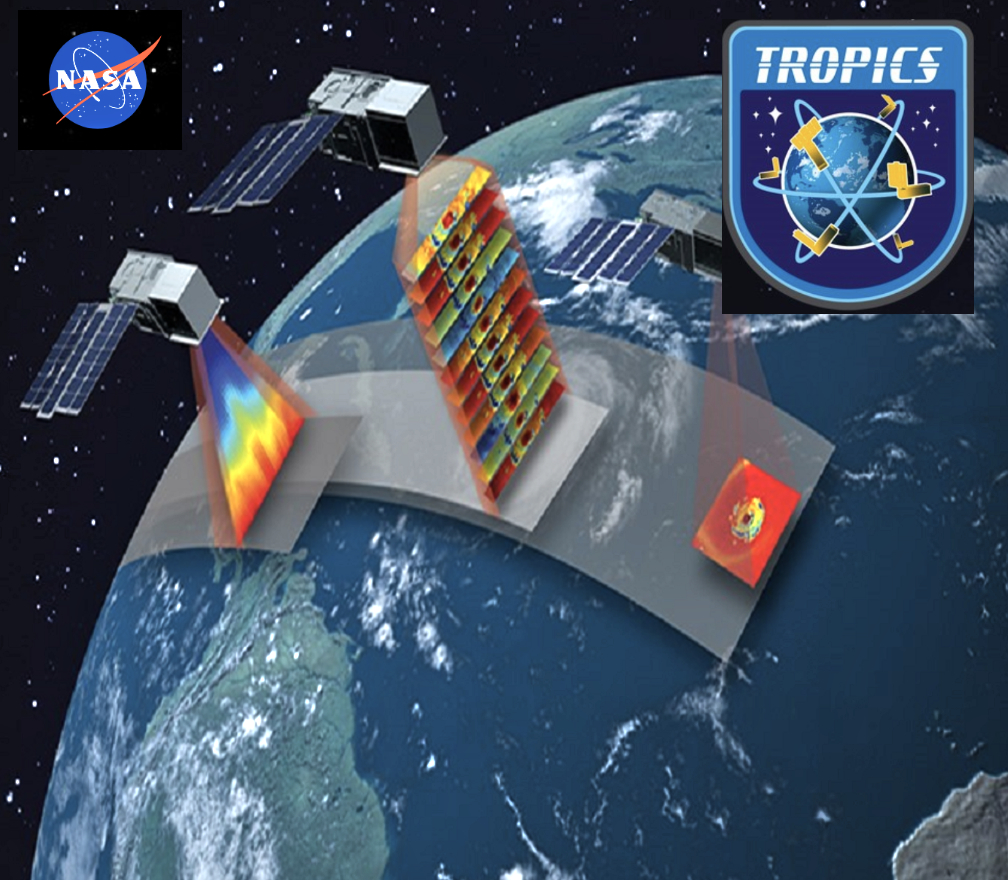
TROPICS is a constellation of four identical CubeSats designed to observe tropical cyclones from LEO, making observations more frequently than current weather tracking satellites. Gathering data more frequently can help scientists improve weather forecasting models.
TROPICS will study tropical cyclones as part of NASA’s Earth Venture Class missions, which select targeted science missions to fill gaps in our overarching understanding of the entire Earth system.
Receive mission updates by following and tagging the following accounts:
- Twitter: @NASA_LSP, @NASAEarth, @NASAKennedy, @NASA, @RocketLab
- Facebook: NASA, NASA LSP, RocketLabUSA
- Instagram: @NASA, @NASAEarth, @RocketLabUSA
The TROPICS team is led by Dr. William Blackwell at MIT’s Lincoln Laboratory in Lexington, Massachusetts, and includes researchers from NASA, the NOAA, and several universities and commercial partners. NASA’s Launch Services Program, based at the agency’s Kennedy Space Center in Florida, is managing the launch service.

Original posting…
The launch of NASA’s TROPICS (Time-Resolved Observations of Precipitation structure and storm Intensity with a Constellation of Smallsats) mission is delayed due to a weather front that headed toward Rocket Lab’s Launch Complex-1 in Mahia, New Zealand.
Originally, Rocket Lab was targeting 9:00 p.m. EDT, Sunday, April 30 (1:00 p.m. New Zealand Standard Time, Monday, May 1) for the launch.
Rocket Lab will assess the weather as it evolves and will shortly confirm a new target date for the launch.
This launch is the first of two planned launches, each sending a pair of smallsats to LEO.
TROPICS will provide data on temperature, precipitation, water vapor, and clouds by measuring microwave frequencies, providing insight into storm formation and intensification.