
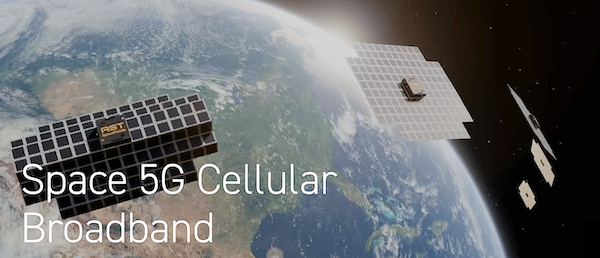
AST SpaceMobile’s BlueBird satellites the first of its second-generation is enroute to the India Space Organisation’s Sriharikota/Satis Dhawan facility. The spaceport is located on an island off the east coast of India, surrounded by Pulicat Lake and the Bay of Bengal.
AST’s goal is to beat Starlink, by establishing itself with its global telco partners, and ahead of when Amazon’s Project Kuiper launches its rival service anticipated for later in 2026.
The launch has been bumped around, originally planned for August 2025, then delayed to November 2025. Currently the new launch date is likely towards December possibly by Q1 2026. A combination of factors, including ISRO needing 3-4 months after the satellite’s arrival and AST missing its earlier shipment deadlines.
All of AST’S predecessors besides Starlink have been unsuccessful. Iridium, suffered through a bankruptcy, but have since recovered as a satellite-based specialist direct-to-user operator, as did OneWeb (before being rescued by Bharti and the UK government in a reconstruction with Eutelsat) and most notably Teledesic. Teledesic was a company founded in the 1990s by Bill Gates and Craig McCaw. The goal was to build a $9 billion commercial broadband satellite internet constellation, using 288 out of a planned 840 low-Earth-orbiting small satellites. However, the project was abandoned in 2003 after Teledesic launched just one satellite.
AST is well ahead financially in terms of those failures and cufrently is a $2 billion and a warchest to fund satellite production, technology upgrades and subsequent launches. AST is aiming to have between 45 and 60 satellites in orbit by the end of 2026 and to start services over North America, Japan and Europe during 2026.